Table of Contents
- – Understanding LGBTQ-Affirming Therapy: Beyond ...
- – Consuming Problem Therapy in the LGBTQ Community
- – Transgender Treatment: Supporting Gender Journ...
- – Injury Therapy for LGBTQ People
- – OCD Treatment in LGBTQ Contexts
- – Art Treatment: Creative Expression in LGBTQ Me...
- – Selecting Your LGBTQ-Affirming Specialist
- – Moving Towards Genuine Recovery
Trauma
Browsing mental healthcare as an LGBTQ person requires even more than simply resistance-- it demands real affirmation, social proficiency, and specialized understanding of the distinct obstacles queer and transgender individuals encounter. When seeking treatment for consuming problems, injury, OCD, or gender-related problems, discovering a therapist that integrates LGBTQ-affirming practices isn't just more suitable, it's essential for reliable therapy. The crossway of identification and mental wellness shapes every element of healing job, making specialized care critical for authentic recovery.
Understanding LGBTQ-Affirming Therapy: Beyond Surface-Level Acceptance
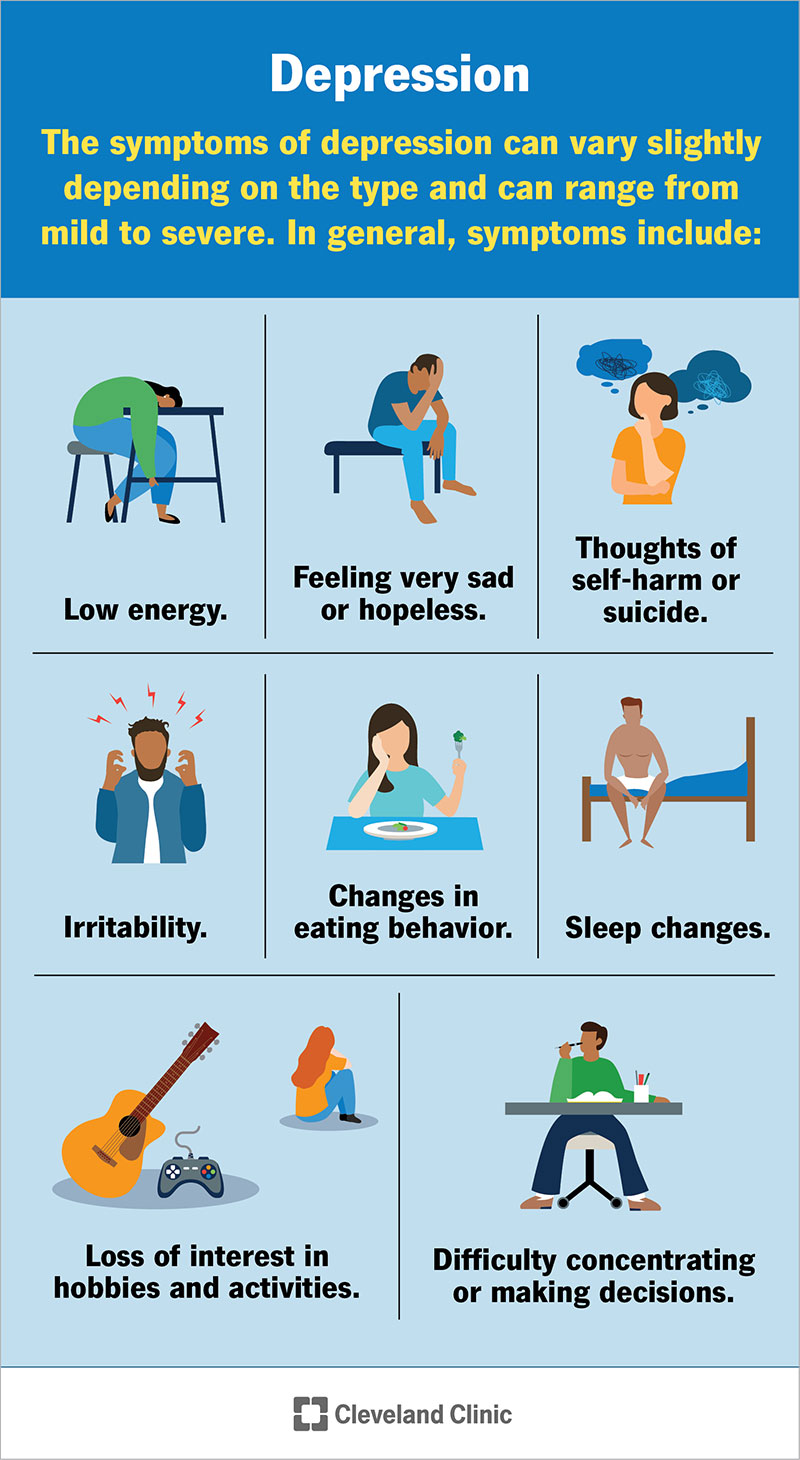
LGBTQ-affirming therapy goes much much deeper than rainbow flags in the waiting space or pronouns in e-mail trademarks. Truly affirming therapists understand how minority stress and anxiety, discrimination, family members rejection, and societal marginalization influence psychological wellness throughout the queer neighborhood. They acknowledge that many psychological health battles-- including consuming conditions, anxiety, depression, and injury-- are typically rooted in or intensified by experiences of homophobia, transphobia, and heteronormativity.
Rubertić Counseling's approach to LGBTQ treatment exemplifies this deepness of understanding. As opposed to treating sexual preference or gender identification as different from various other mental health worries, verifying therapists incorporate this understanding throughout treatment. An eating condition in a transgender customer isn't almost food and body picture-- it may include sex dysphoria, social transition anxiety, and internalized transphobia. OCD in a queer person might materialize via intrusive ideas regarding sex-related positioning, requiring specialized recognizing to deal with properly.
The distinction in between tolerant and affirming therapy ends up being clear in practice. Tolerant therapists accept LGBTQ clients however may do not have expertise concerning queer experiences, count on outdated terminology, or inadvertently continue dangerous assumptions. Attesting specialists actively commemorate LGBTQ identities, remain present on area problems, comprehend intersectionality, and acknowledge their own prejudices. This foundation develops safety and security for customers to explore their authentic selves without anxiety of judgment or misconception.
Consuming Problem Therapy in the LGBTQ Community
Consuming conditions disproportionately impact LGBTQ people, especially transgender and gender-nonconforming individuals. Research reveals gay and bisexual guys experience eating conditions at prices considerably higher than heterosexual guys, while transgender individuals encounter raised risks across all sex identities. These stats reflect the complicated relationship between body image, gender identity, minority stress, and disordered eating that LGBTQ-affirming eating condition treatment need to attend to.
For transgender clients, eating disorders may emerge as attempts to manage physical look during sex change, take care of dysphoria, or satisfy binary gender assumptions. A transmasculine individual could restrict consuming to lessen contours, while a transfeminine individual may participate in disordered actions to accomplish particular aesthetic suitables. LGBTQ-affirming eating problem specialists understand these subtleties and avoid one-size-fits-all treatment approaches developed largely for cisgender, heterosexual women.
Gay and bisexual guys deal with unique stress within queer area rooms where physical appearance often carries enhanced social currency. Body picture issues intersect with dating app culture, gym society, and internalized homophobia to produce susceptability to anorexia, bulimia, and muscular tissue dysmorphia. Affirming therapists identify these social aspects while assisting customers create genuine relationships with their bodies different from exterior recognition.
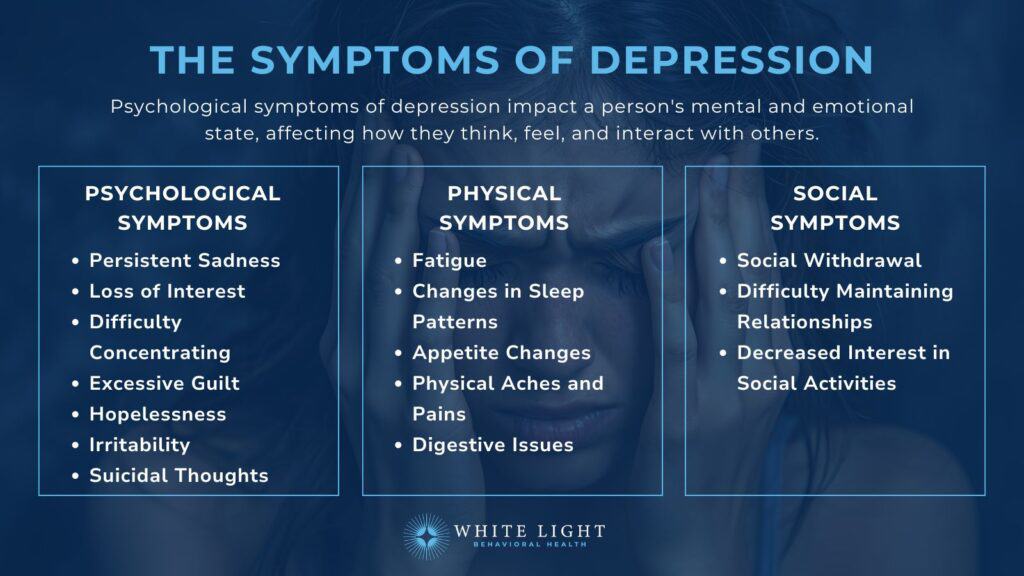
Efficient eating problem therapy for LGBTQ customers incorporates trauma-informed treatment, addresses minority tension, and supports clients in creating body approval within the context of their genuine identifications. Therapists should recognize just how societal denial, family members characteristics, and discrimination add to disordered consuming while helping clients construct healthier coping systems and self-compassion.
Transgender Treatment: Supporting Gender Journey and Mental Wellness
Transgender people looking for psychological health and wellness support require specialists who comprehend the difference between supporting sex expedition and gatekeeping accessibility to gender-affirming treatment. LGBTQ-affirming specialists working with transgender clients give analysis and support letters when medically ideal while additionally resolving the psychological wellness issues that bring individuals to therapy-- whether those concerns associate with gender identity or otherwise.
Numerous transgender people experience anxiety, clinical depression, and trauma related to gender dysphoria, discrimination, family rejection, and navigating medical transition. Proficient transgender care addresses these obstacles while verifying customers' gender identities and supporting their freedom in transition choices. Therapists need to comprehend hormone therapy results, medical choices, social change obstacles, and the psychological health and wellness effects of living in a society with minimal understanding of gender diversity.
The restorative partnership itself can be healing for transgender clients that have actually experienced invalidation from clinical suppliers, relative, and previous specialists. When a specialist uses right names and pronouns consistently, recognizes transition-related terminology, and validates the client's sex experience, it creates structure for deeper healing work. This affirmation permits clients to deal with various other mental wellness issues without regularly protecting their identification.
Rubertić Counseling's expertise in transgender treatment shows the worth of dealing with therapists who keep energetic involvement in LGBTQ communities, seek recurring education and learning concerning gender diversity, and understand how sex identification intersects with other aspects of psychological wellness. This proficiency ensures clients receive experienced, respectful care throughout their healing trip.
Injury Therapy for LGBTQ People
LGBTQ individuals experience both individual stressful occasions and the advancing injury of living in heteronormative, cisnormative society. Several carry childhood years trauma from family denial, intimidation, or religious condemnation of their identifications. Others experience adult injury with hate crimes, work discrimination, medical care mistreatment, or intimate companion violence within LGBTQ connections. Reliable trauma therapy for queer and transgender customers have to address these split experiences.
Minority tension theory clarifies how chronic discrimination creates recurring mental distress comparable to injury reactions. LGBTQ people establish hypervigilance about safety and security, experience invasive ideas about prospective being rejected, and often take part in avoidance behaviors to minimize discrimination exposure. These injury signs and symptoms need restorative methods that verify the fact of societal oppression while developing durability and healing.
LGBTQ-affirming injury therapists recognize just how coming out experiences can be terrible, just how family being rejected produces complicated injury, and just how spiritual trauma specifically affects queer individuals elevated in conservative atmospheres. They identify that some trauma stems directly from previous therapy experiences where practitioners tried conversion treatment, pathologized LGBTQ identifications, or showed profound lack of knowledge concerning queer lives.
Techniques like EMDR, somatic treatment, and Interior Family members Systems work effectively for LGBTQ trauma when delivered by attesting therapists who recognize community-specific experiences. Processing youth memories of hiding sexual preference varies significantly from processing heterosexual experiences, needing therapists that can hold room for these special narratives without decreasing or misinterpreting their influence.
OCD Treatment in LGBTQ Contexts
Obsessive-compulsive condition in LGBTQ individuals occasionally entails intrusive ideas specifically pertaining to sexual preference or sex identity-- typically called sexual positioning OCD or gender identification OCD. These presentations call for specialists that can compare OCD symptoms and genuine identity exploration, understanding that a person experiencing SO-OCD isn't doubting their sexual preference however instead experiencing anxiety-driven invasive thoughts concerning it.
LGBTQ-affirming OCD therapy makes use of evidence-based techniques like Direct exposure and Action Prevention (ERP) while maintaining sensitivity to how sexual preference and sex identity run differently than OCD fixations. A specialist unfamiliar with LGBTQ experiences might accidentally enhance harmful ideas or fail to identify genuine identity expedition unique from OCD signs.
TraumaBeyond identity-specific OCD discussions, LGBTQ people experience the complete variety of OCD signs-- contamination worries, examining actions, invasive terrible or sex-related ideas, and a lot more. Verifying therapists treat these symptoms efficiently while recognizing how minority anxiety could exacerbate OCD and exactly how certain fascinations could mirror internalized homophobia or transphobia needing additional therapeutic focus.
Art Treatment: Creative Expression in LGBTQ Mental Health
Art treatment offers unique benefits for LGBTQ people, supplying nonverbal pathways to check out identification, procedure injury, and express experiences that words alone can not capture. Imaginative expression bypasses a few of the intellectualization that can take place in traditional talk therapy, enabling deeper emotional handling and self-discovery.
For transgender clients, art therapy sustains gender expedition and expression in safe, validating atmospheres. Producing self-portraits, exploring color and type associated to gender experience, or processing transition-related emotions via creative work provides effective recovery chances. LGBTQ individuals refining injury, eating problems, or OCD advantage from art treatment's capability to externalize difficult experiences and produce distance for handling.
LGBTQ-affirming art specialists comprehend queer visual appeals, acknowledge recommendations to LGBTQ culture and background, and create comprehensive rooms where customers can check out identity with creative tools. This customized knowledge enhances healing efficiency while showing cultural competency that develops trust and safety and security.
TraumaSelecting Your LGBTQ-Affirming Specialist
Discovering the right LGBTQ-affirming specialist involves more than looking directory sites for rainbow signs. Think about these variables when reviewing potential specialists:
- Active involvement in LGBTQ neighborhoods and recurring social proficiency training
- Details experience with your certain problems, whether consuming disorders, transgender treatment, trauma, OCD, or other concerns
- Clear attesting language on their web site and in initial interactions
- Determination to discuss their approach to LGBTQ-affirming treatment throughout assessment
- Comprehending of intersectionality and just how race, course, disability, and other identities converge with LGBTQ experiences
- Evidence-based therapy modalities provided with cultural level of sensitivity
Rubertić Counseling's field of expertise throughout eating disorders, LGBTQ treatment, transgender care, injury, OCD, and art therapy stands for the extensive, attesting method that develops meaningful change. When therapists incorporate clinical proficiency with authentic LGBTQ affirmation, they develop recovery areas where clients can resolve psychological wellness problems while commemorating their genuine identifications.
Moving Towards Genuine Recovery
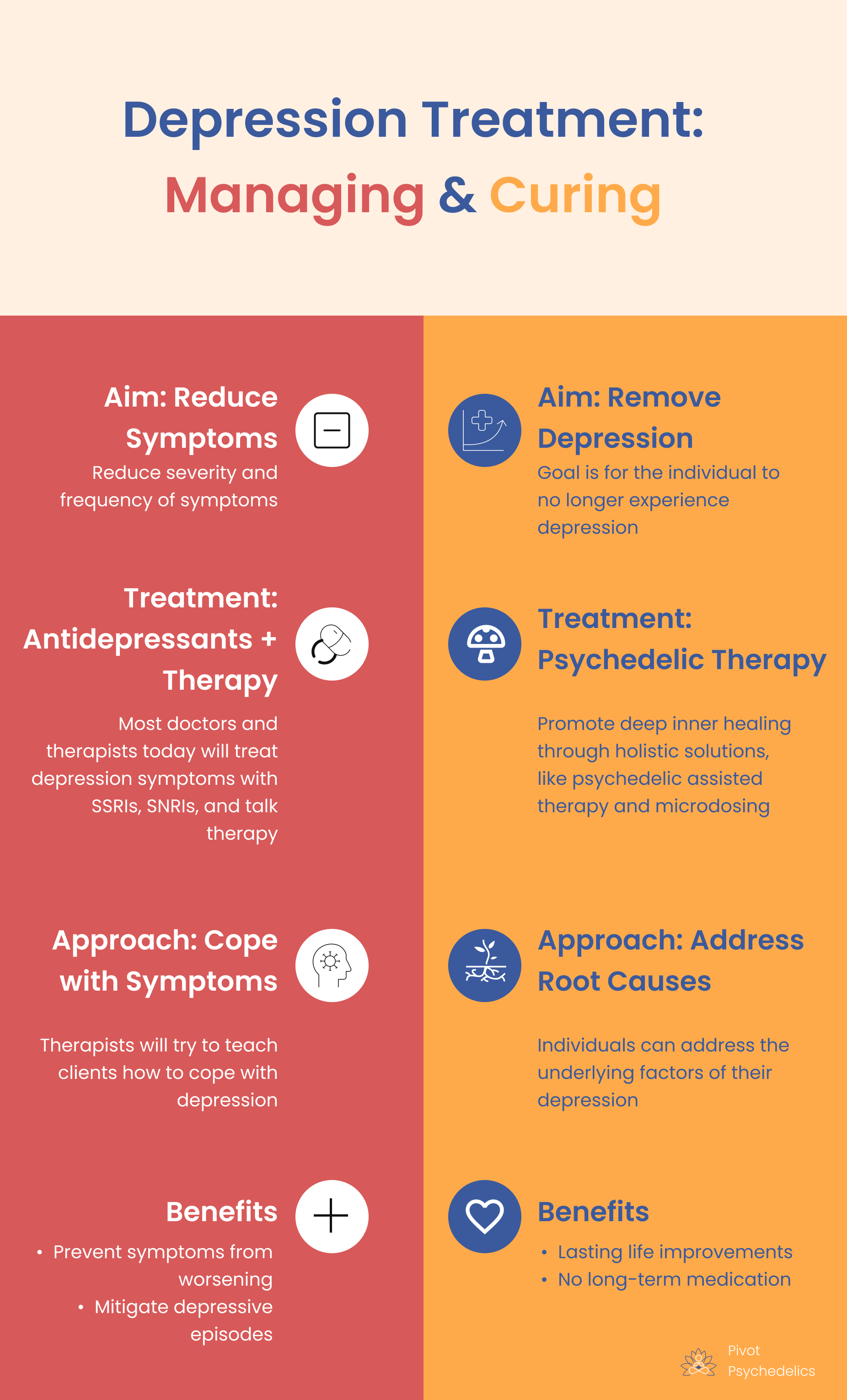
LGBTQ-affirming therapy supplies greater than signs and symptom reduction-- it supplies paths to living authentically, healing from discrimination's influences, and building lives aligned with your true self. Whether you're looking for support for eating problems, browsing sex shift, refining injury, handling OCD, or exploring creative recovery with art treatment, specialized affirming treatment makes all the difference. Your identification isn't something to overcome in treatment; it's an essential component of that you are that deserves event and assimilation throughout your healing trip.

Table of Contents
- – Understanding LGBTQ-Affirming Therapy: Beyond ...
- – Consuming Problem Therapy in the LGBTQ Community
- – Transgender Treatment: Supporting Gender Journ...
- – Injury Therapy for LGBTQ People
- – OCD Treatment in LGBTQ Contexts
- – Art Treatment: Creative Expression in LGBTQ Me...
- – Selecting Your LGBTQ-Affirming Specialist
- – Moving Towards Genuine Recovery
Latest Posts
Exploring Dance Between Autonomous Growth and Relationship Health in Denver
Transitioning from Conflict to Thriving In Trauma-Informed Therapy
Processing Obsessive-Compulsive Disorder plus Complex Trauma
Navigation
Latest Posts
Exploring Dance Between Autonomous Growth and Relationship Health in Denver
Transitioning from Conflict to Thriving In Trauma-Informed Therapy
Processing Obsessive-Compulsive Disorder plus Complex Trauma